Nature · S21 · E9
The Reptiles: Turtles and Tortoises
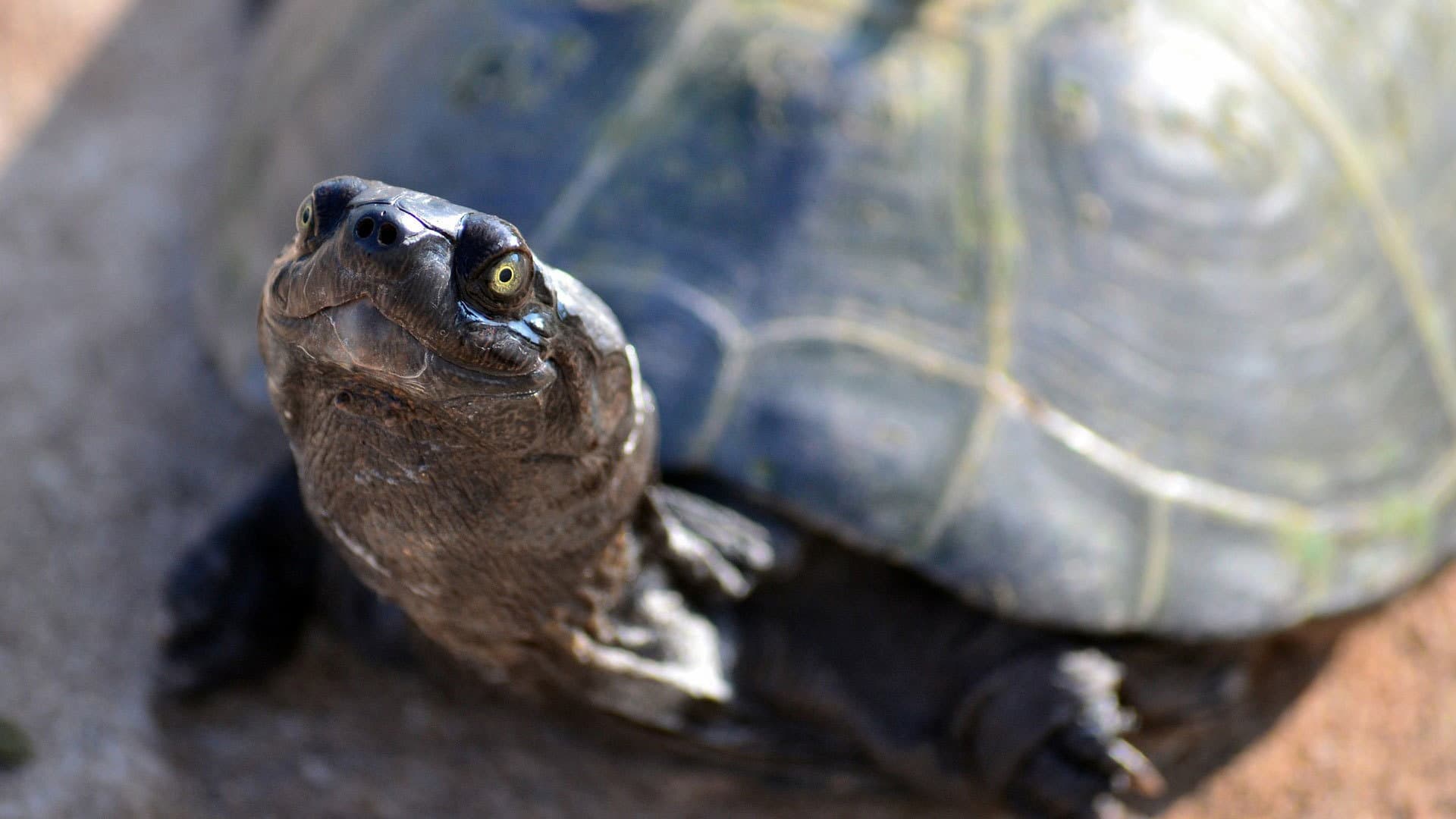
Observing turtles and tortoises, the shelled animals that have been on Earth more than 200 million years. Included: problems they face in the modern world. Howard McGillin narrates.

About this episode
Observing turtles and tortoises, the shelled animals that have been on Earth more than 200 million years. Included: problems they face in the modern world. Howard McGillin narrates.
Season 21
1Tall Blondes
53 minOct 13, 2002
Lynn Sherr, the award-winning correspondent for ABC TV’s 20/20 newsmagazine, went to Africa for the first time in 1973 and fell in love — with giraffes. “They were a dazzling, unexpected revelation: gawky, graceful anomalies; cool, gentle giants dressed in golden, stained-glass coats. And when they ran, they seemed to float. I was hooked.” Journey to Kenya and South Africa, and to an American zoo that is the giraffe breeding capital of the Western Hemisphere, for a revealing look at this powerful, captivating creature when Ms. Sherr hosts Tall Blondes.
2Horse and Rider
53 minOct 20, 2002
“Bet Yer Blue Boons” is one of the most agile and intelligent cutting horses in the world, a true champion. “Rio,” a spectacular polo pony, is a gifted athlete able to sprint at 30 miles per hour, then stop suddenly and turn on a dime. “Chamont” has the natural talent and physique of a great dressage horse, but also at times a timorous personality that puts a question mark on his future success. Each of these remarkable animals shares an astonishing trait: the ability to implicitly trust, and perform complex tasks in tandem with, a human partner working toward a common goal. This teaming of horse and rider is arguably the most sophisticated and intriguing example of human-animal cooperation. NATURE explores and illuminates this absorbing phenomenon in Horse and Rider.
3Dive to the Abyss
53 minOct 27, 2002
Dive to the Abyss showcases a group of marine biologists as they explore three different underwater environments.
4Bloody Suckers
53 minNov 17, 2002
A filmmaker goes in search of the scary and fascinating creatures that feed on blood in NATURE's BLOODY SUCKERS.
5Trail of the Cougar
53 minDec 15, 2002
Hunted almost to extinction over the past three centuries, cougars are making a comeback today, with some 30,000 living in the wilds of North and South America. But still they face uncertain prospects, as human encroachment continues to shrink their natural habitats. Doggedly tracking these magnificent animals, once known as the “king cat,” filmmaker Ron Shade provides an incisive look at their prospects for survival in Trail of the Cougar.
6Under Antarctic Ice
53 minJan 12, 2003
On the surface, it's the bleakest of lands, with ferocious winds, flightless birds, and enough ice to flood half the planet's population if it were to melt. But below that frozen mass, a fantastic environment of indescribable beauty teems with life. NATURE takes viewers into the world that is "Under Antarctic Ice."
7The Reptiles: Alligators and Crocodiles
53 minFeb 2, 2003
A four-part series on “The Reptiles” begins with “Alligators and Crocodiles.” Included: their sensory systems and intelligence; courtship and mating signals; importance to ecosystems; their evolving relationship with humans; and their roles in the food chain that vary with their locations, including Australia; India; Florida; and Venezuela. Howard McGillin narrates.
8The Reptiles: Snakes
53 minFeb 9, 2003
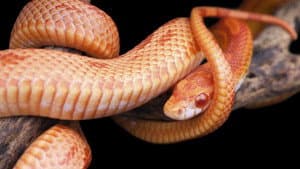
A look at snakes. Included: their evolution and movement; how venom works; hunting methods and prey's defenses; venom collectors and experiences with bites; snake charmers; close-ups of mouths and fangs; and the largest, the Anaconda, found in Venezuela. Howard McGillin narrates.
9The Reptiles: Turtles and Tortoises
53 minFeb 16, 2003Now viewing
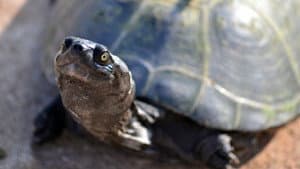
Observing turtles and tortoises, the shelled animals that have been on Earth more than 200 million years. Included: problems they face in the modern world. Howard McGillin narrates.
10The Reptiles: Lizards
53 minFeb 23, 2003
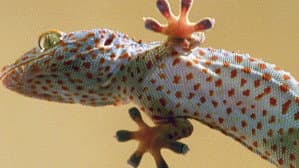
Focusing on several of the over 4000 types of lizards, including the Komodo dragon; sea-feeding marine iguanas; chameleons; venemous gila monsters; and geckos, who defy gravity by walking upside down. Also: a visit with Henry Lizard Lover, a photographer who lives with 37 lizards whom he treats like humans.
11Lost World of the Holy Land
53 minApr 13, 2003
Animals are a formidable presence in the Bible, which makes reference to more than a hundred species, some metaphorically and others literally. But many of those creatures are gone from the Holy Land today, or on the verge of extinction there.
12Leopards of Yala
53 minApr 20, 2003
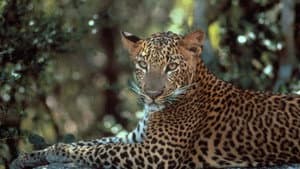
For more than a century, Yala National Park in Sri Lanka has been one of Asia’s most celebrated wildlife preserves, a lush windswept tropical forest rich in rare aquatic birds and abundant with ferocious predators, such as crocodiles and sloth bears. But only in very recent years has Yala’s big cat distinction been brought to light: It contains one of the world’s largest concentrations of leopards. NATURE takes viewers deep into the jungle habitat of these elusive animals, in Leopards of Yala.
13A Mystery in Alaska
53 minMay 11, 2003
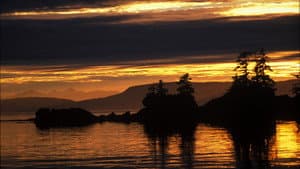
The Steller’s sea lions that populate the Alaskan coastline are powerful, playful, and sometimes rowdy creatures who bump and jostle each other on land but acquire a sublime gracefulness in the water. They are also the subject of a strange and tragic mystery: Steller’s sea lions are rapidly disappearing from one of the last great wildlife strongholds of the world, and no one knows why.

14War Wrecks in the Coral Seas
53 minMay 18, 2003
Thousands of tons of war wreckage sank into the fabled lagoons of the South Pacific islands during the naval and air battles of World War II. But instead of devastating the region’s underwater ecology, the detritus of human conflict turned into artificial reefs, upon which fantastic mini-ecosystems took shape. NATURE gives viewers a new perspective on wildlife in the South Pacific when its cameras board the WAR WRECKS OF THE CORAL SEAS.