The complete guide
Public Domain Movies: How to Watch Classic Films Free and Legally
Thousands of great films belong to everyone. Here is how a movie ends up in the public domain, the traps that catch people out, and where to watch the good ones tonight.

In this article
There is a version of film history you can watch for free, legally, tonight. It includes Buster Keaton’s greatest stunt work, the first great vampire film, the fastest comedy dialogue Hollywood ever recorded, and the low-budget horror movie that invented the modern zombie. None of it requires a subscription, because none of it belongs to anyone any more. It belongs to everyone.
That is what “public domain” means. But the phrase gets used loosely — plenty of sites label films public domain that are nothing of the sort — so it is worth understanding how a film actually gets there, and how to tell the real thing from a pirated copy with a hopeful label on it.
What “public domain” means for a film
Copyright is a temporary monopoly. For a set period, the owner of a film decides who may copy it, screen it, sell it or broadcast it. When that period ends — or when the owner fails to meet the legal requirements for keeping it — the monopoly simply stops. The film passes into the public domain, and from that moment anyone can watch, copy, share, screen, remix or sell it, with no permission and no fee.
Nothing about the film itself changes. A public-domain movie is not a lesser print or a bootleg. His Girl Friday is exactly the same film it was when Columbia released it in 1940; it is simply no longer anyone’s property.
The four ways a film becomes free
Almost every public-domain film got there by one of four routes. Knowing which one applies tells you how confident you can be.
1. Its term simply ran out
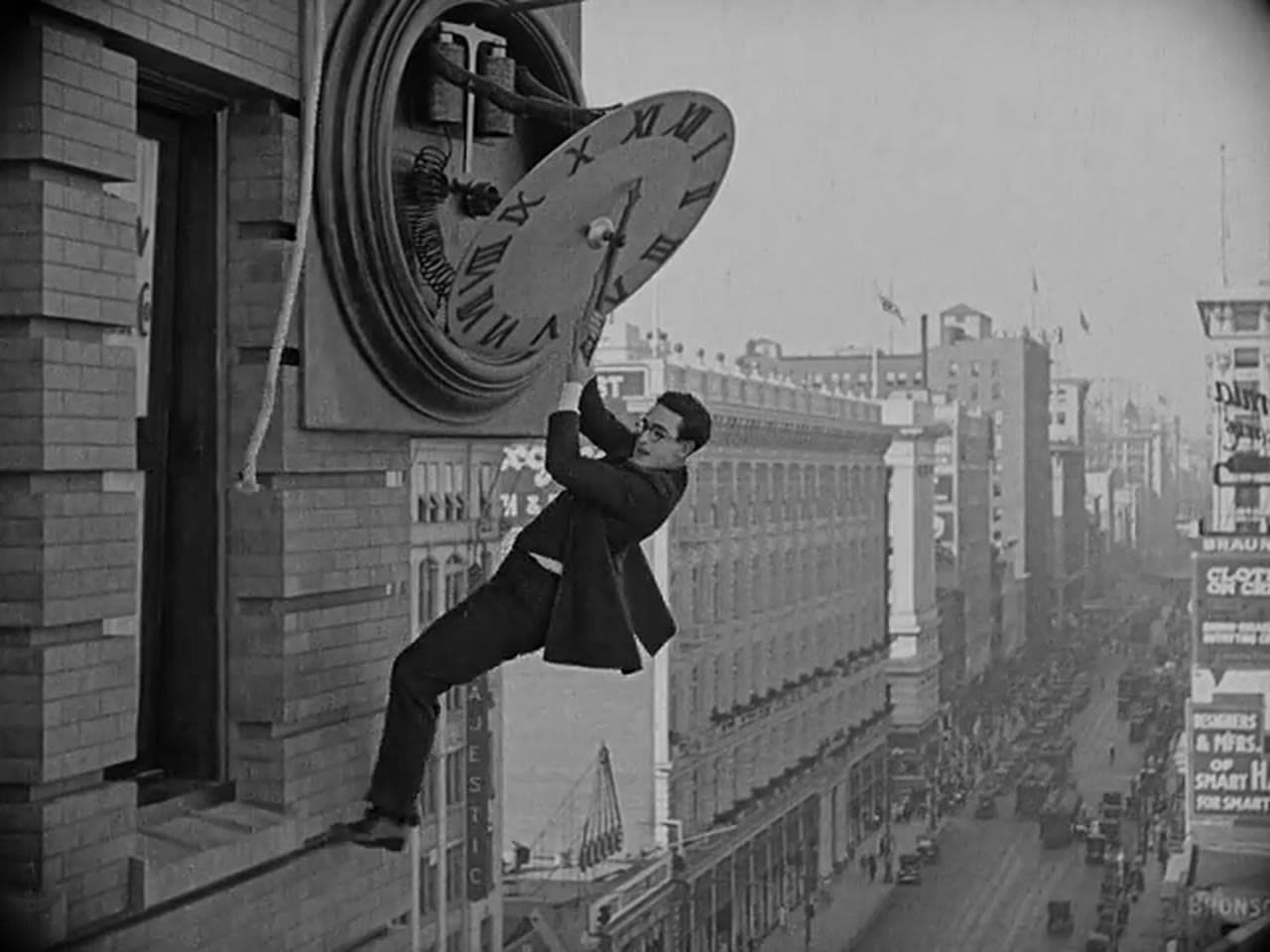
This is the cleanest route. Under current U.S. law, a film published between 1923 and 1977 is protected for 95 years from publication, and that protection runs to the end of the calendar year. So every January 1, another year’s worth of films becomes free all at once — a date now celebrated as Public Domain Day. Silent classics such as Nosferatu (1922), Safety Last! (1923) and Sherlock Jr. (1924) are free for this reason and no other.
2. Nobody renewed it
This is the route that freed most of the classic sound era. Until 1992, copyright for a film published before 1964 came in two halves: an initial 28-year term, then a renewal term that the owner had to apply for during the 28th year. Miss that window and the film fell into the public domain decades early.
A surprising number of owners missed it. Studios merged and folded, small independent producers went out of business, rights changed hands and paperwork got lost. That is how His Girl Friday became free in 1968, and why so much 1940s and 1950s film noir is free today — many of those films came from small companies that no longer existed when renewal came due.

3. It was published without a proper notice
Before 1978, a film had to carry a valid copyright notice — the word “Copyright”, the abbreviation “Copr.” or the © symbol, plus a year and an owner — or it lost protection the moment it was released. The rule was strict, and it was unforgiving of small mistakes.
The most famous casualty is Night of the Living Dead (1968). When its title was changed shortly before release, the copyright notice was dropped from the prints, and the film entered the public domain on its first day in theaters. Stanley Donen’s Charade (1963), with Cary Grant and Audrey Hepburn, went the same way: its on-screen notice gave the year and the studio’s name but left out the word “Copyright” and the © symbol, which the law required.

4. Its makers gave it away
A few filmmakers choose to free their own work. Nina Paley released her animated feature Sita Sings the Blues (2008) under a CC0 dedication in 2013 — the closest thing the law allows to placing a new work directly into the public domain. Many government films are also free by default, because works created by U.S. federal employees as part of their jobs are not protected by copyright at all.
Where the line sits in 2026
Put the rules together and you get a simple test for the “term ran out” route, which is the one you can rely on without any research:
| Published in 1930 or earlier | Public domain in the U.S. |
|---|---|
| Published 1931 | Becomes public domain on January 1, 2027 |
| Published 1931–1963 | Public domain only if the copyright was never renewed, or the notice was defective |
| Published 1964–1977 | Renewal became automatic, so usually protected — unless the notice was defective |
| Published 1978 or later | Almost always still protected |
The 1930 films that became free this year include All Quiet on the Western Front, the Marx Brothers in Animal Crackers, Marlene Dietrich in Morocco and John Wayne’s first starring role in The Big Trail. Next January, the class of 1931 follows — including Frankenstein, Dracula and Chaplin’s City Lights. We have written up everything entering the public domain in 2027.
Four traps that catch people out
A film being in the public domain does not always mean every part of every copy is free. These are the four exceptions worth knowing.
The story it was based on
A film is a “derivative work” of any novel, play or story it adapts, and those underlying works carry their own copyright on their own clock. The classic example is It’s a Wonderful Life. Its film copyright lapsed in the 1970s and it spent years playing on every television channel in America — until the owner of the short story it was based on used that separate copyright to reassert control. Less dramatically, the public-domain The Last Man on Earth (1964) adapts Richard Matheson’s novel I Am Legend, which is still protected. Watching the film is fine; remaking the story is a different question.
The music
Songs and scores are protected separately from the film they appear in. This rarely matters for watching, but it matters a great deal if you plan to reuse footage.
Modern restorations
Restoring an old film does not create a new copyright in the original images, but the new material a restoration adds can be protected: a newly recorded score, reconstructed title cards, fresh subtitles, commentary. This is why we do not link to the popular high-definition copies of Metropolis (1927) even though the film itself became free in 2023 — those copies come from a 2010 restoration with a newly recorded soundtrack.
Characters and trademarks
When Steamboat Willie entered the public domain in 2024, the Mickey Mouse of that 1928 cartoon became free — but later versions of the character, and Disney’s trademarks, did not. A public-domain film does not give anyone the right to pass their own work off as the studio’s.
How to check a film yourself
For anything published in 1930 or earlier, you are done: it is free in the U.S. For later films, the question is whether the copyright was renewed, and the records are public.
- Find the publication year. Use the release year, but be aware that a film’s copyright date is occasionally the year before its release — a film released in January may have been registered the previous December.
- Search renewals filed from 1978 onward in the U.S. Copyright Office’s online Public Records System. This covers renewals for films published from 1950.
- For films published 1923–1949, renewals were filed before 1978 and appear in the printed Catalog of Copyright Entries, which has been scanned and is searchable on the Internet Archive.
- Check the underlying work — the novel, play or story — separately, if you plan to do more than watch.
This is genuinely fiddly, and it is the reason a trustworthy source matters. For anything you intend to sell, broadcast or build a product on, it is worth paying for a professional copyright search.
Where to watch legally
The Internet Archive is the largest home for public-domain film on the internet: a non-profit digital library holding tens of thousands of features, cartoons, newsreels and shorts, most with free downloads. Its catch is discoverability. Uploads are titled by whoever contributed them, so the same film can appear under a dozen garbled names, and there is no easy way to tell a great film from a forgettable one.
That is the problem Nitrate was built to solve. We stream films directly from the Archive’s curated Feature Films collection, match each upload to its real title, poster and cast, filter out uploads with no playable file, and organise the result into something you can actually browse — by genre, decade or language.
For films that are not public domain but are still free and legal to watch, ad-supported services such as Tubi, Pluto TV, Plex and the Roku Channel carry large catalogues. Our Free elsewhere page tracks what they currently offer.
Ten films to start with
If you want a place to begin, these ten are all verifiably in the public domain, all genuinely great, and all a click away from playing. Our full list of the 20 best public domain movies explains why each one is free.
- His Girl Friday (1940) — the fastest, sharpest screwball comedy of them all
- The General (1926) — Buster Keaton’s Civil War train chase, stunts and all
- Night of the Living Dead (1968) — the birth of the modern zombie film
- Nosferatu (1922) — the vampire film every vampire film since has borrowed from
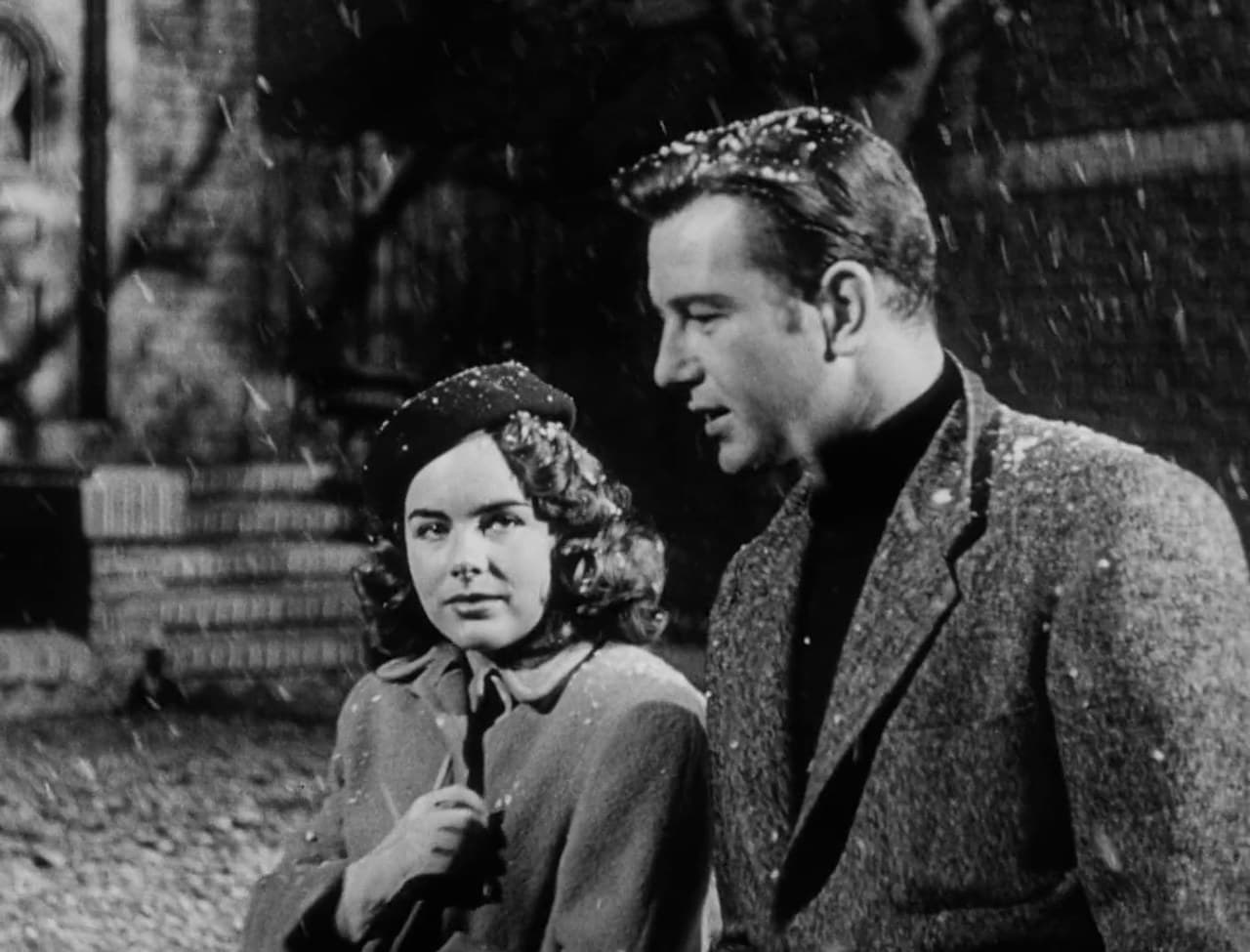
- Detour (1945) — sixty-eight minutes of pure fatalism, and the definitive B-noir
- Charade (1963) — Cary Grant and Audrey Hepburn in Paris, in colour
- Sherlock Jr. (1924) — a projectionist walks into the movie he is showing
- Scarlet Street (1945) — Fritz Lang at his most merciless
- Gulliver’s Travels (1939) — the Fleischer brothers’ answer to Snow White
- Sita Sings the Blues (2008) — a modern animated feature its maker gave to the world
Every one of them streams free, in full, with no account. Pick one, and let the projector run.
Frequently asked questions
Is it legal to watch public domain movies online?
Yes. A film in the public domain has no copyright owner, so anyone may watch, copy, share or screen it without permission or payment. The only caution is to make sure the specific version you are watching is the public-domain one — some modern restorations add newly copyrighted music or material.
Is it legal to watch movies on the Internet Archive?
Watching films the Archive hosts as public-domain or openly licensed is legal. The Archive is a non-profit library that also accepts user uploads, and a small share of those uploads are infringing copies that get removed when reported. Sticking to curated collections such as Feature Films, and to titles whose status you can confirm, keeps you on solid ground.
Can I download public domain movies?
Yes. Once a film is in the public domain you can download it, keep it and share it. The Internet Archive offers direct downloads for most of its public-domain films in several file sizes.
Can I upload a public domain movie to YouTube or show it publicly?
Generally yes — that freedom is the point of the public domain. In practice, check that your copy does not include a newer copyrighted score or restoration credits, because those can trigger automated copyright claims even when the underlying film is free.
Which movies entered the public domain in 2026?
On January 1, 2026, films published in 1930 entered the U.S. public domain, including All Quiet on the Western Front, Animal Crackers with the Marx Brothers, Morocco with Marlene Dietrich, Howard Hughes's Hell's Angels and John Wayne's first lead role in The Big Trail.
Is It's a Wonderful Life in the public domain?
Not in any practical sense. The film's copyright lapsed in the 1970s when it was not renewed, and for years it aired constantly on television as a result. But the short story it was based on and its music were still protected, and the rights holder used those underlying copyrights to reassert control over the film in the 1990s.