Silent comedy
Chaplin, Keaton and Lloyd: 12 Silent Comedy Classics You Can Watch Free
The three great clowns of the silent screen, a dozen of their best films, and the copyright clock that has now set every one of them free.
In this article
For about fifteen years, before sound arrived, three men defined what it meant to be funny on film. Charlie Chaplin was the sentimental one, the Tramp with the cane and the broken heart. Buster Keaton was the engineer, deadpan and fearless, building gags the size of locomotives. Harold Lloyd was the go-getter in the straw boater and horn-rimmed glasses, climbing — sometimes literally — towards success.
A century on, their best silent work belongs to everyone. Here are twelve of their films that you can stream free tonight — with the reason each one is free.
Why they’re all free now
U.S. copyright for a film of the 1920s lasts 95 years from release, and expires on the first of January after that. Anything published before 1923 lost its protection long ago. After that, the silent era has been coming free one year at a time — and on January 1, 2026, the last of it arrived: everything released in 1930 or earlier is now in the U.S. public domain.
| Released 1922 or earlier | Public domain for decades — The Kid, The Immigrant |
|---|---|
| Released 1923 | Free since January 1, 2019 — Safety Last!, Our Hospitality |
| Released 1924 | Free since January 1, 2020 — Sherlock Jr., Girl Shy |
| Released 1925 | Free since January 1, 2021 — The Gold Rush, The Freshman, Seven Chances |
| Released 1926 | Free since January 1, 2022 — The General |
| Released 1927 | Free since January 1, 2023 — The Kid Brother |
| Released 1928 | Free since January 1, 2024 — Steamboat Bill, Jr. |
Copyright terms differ by country, and everything here is about the United States. For the next wave — Chaplin’s City Lights, Frankenstein, Dracula — see the films entering the public domain in 2027.
Buster Keaton
Keaton never smiled on screen, which earned him the nickname “The Great Stone Face”, and he did his own stunts, which nearly killed him more than once. What sets his films apart is scale: where other comedians built gags around a prop, Keaton built them around a train, a ship, a waterfall or a collapsing house, and then filmed them in long, unbroken shots so you could see that it was really him.
1The General (1926)
Dir. Clyde Bruckman · 1h 19m · ★ 7.9
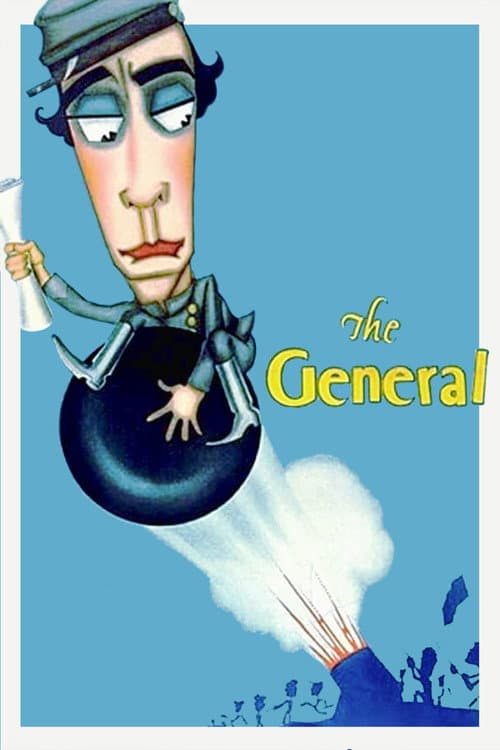
A Southern railroad engineer, turned away by the Confederate army, chases the Union spies who have stolen his beloved locomotive — and then has to outrun them all the way back. It is based on the real Great Locomotive Chase of 1862, and for its climax Keaton sent a real locomotive across a burning bridge and into an Oregon river. It lost money on release; it is now routinely ranked among the greatest films ever made.
Why it’s free: Released in 1926; its U.S. copyright expired at the end of 2021.
Watch The General free
2Sherlock Jr. (1924)
Dir. Buster Keaton · 46m · ★ 8.0
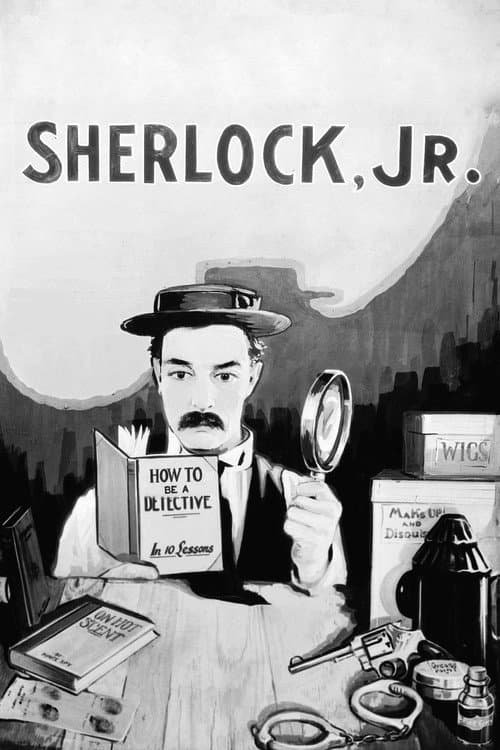
A small-town projectionist who dreams of being a detective falls asleep in his booth and walks straight into the film on the screen — where the scenery keeps cutting around him, dropping him from a garden onto a busy street, a cliff edge and a rock in the sea. At about forty-five minutes it is short, and it is still one of the most inventive films about the movies ever made. Keaton broke his neck during a gag with a water tower and did not find out until years later.
Why it’s free: Released in 1924; it entered the U.S. public domain on January 1, 2020.
Watch Sherlock Jr. free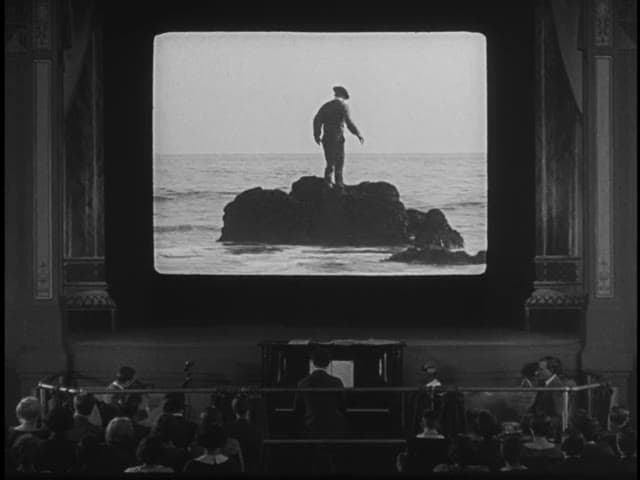
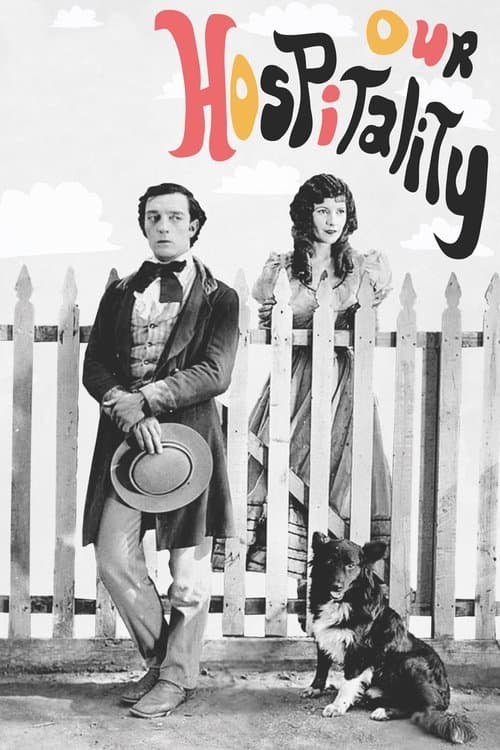
3Our Hospitality (1923)
Dir. John G. Blystone · 1h 14m · ★ 7.5
A parody of the Hatfield–McCoy feuds: a young man travels south to claim his inheritance, falls for a girl on the train, and discovers that her family has sworn to kill him — but cannot, by the rules of Southern hospitality, while he is a guest under their roof. The journey on a replica 1830s train is a delight, and the waterfall rescue at the end is one of Keaton’s great stunts. It was a family affair: his wife Natalie Talmadge plays the girl, and his father and baby son both appear.
Why it’s free: Released in 1923; it entered the U.S. public domain on January 1, 2019.
Watch Our Hospitality free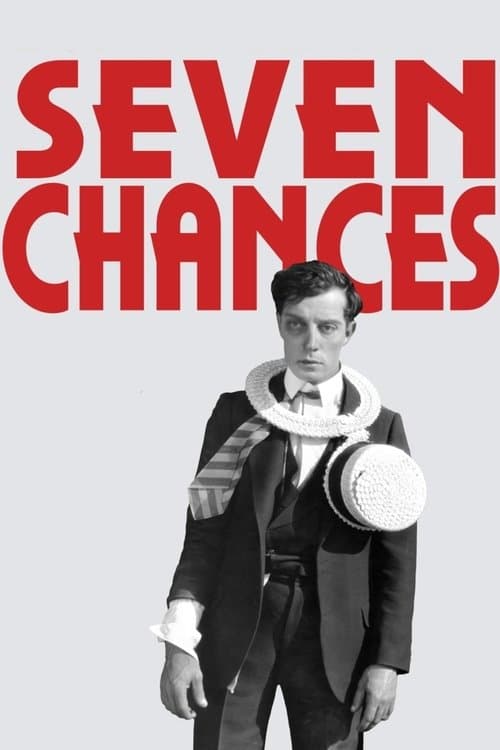
4Seven Chances (1925)
Dir. Buster Keaton · 57m · ★ 7.5
A struggling broker learns he will inherit seven million dollars — if he is married by seven o’clock that evening. When the story reaches the newspapers, hundreds of would-be brides descend on him, and the chase ends with Keaton fleeing down a hillside ahead of an avalanche of boulders. The opening scenes are in early two-colour Technicolor.
Why it’s free: Released in 1925; it entered the U.S. public domain on January 1, 2021.
Watch Seven Chances free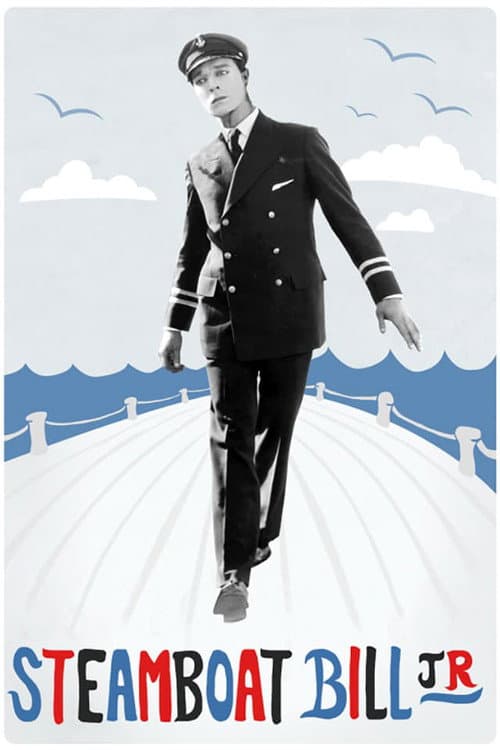
5Steamboat Bill, Jr. (1928)
Dir. Charles Reisner · 1h 9m · ★ 7.6
A dapper college boy comes home to his gruff father, the captain of a battered riverboat, and is a disappointment in every way — until a cyclone flattens the town. The storm sequence contains the most famous stunt in silent film: the whole front of a house falls on Keaton, who survives because he is standing exactly where an open upstairs window lands. It was the last film he made as an independent before signing with MGM.
Why it’s free: Released in 1928; it entered the U.S. public domain on January 1, 2024 — the same day as Disney’s Steamboat Willie, whose title nodded to it.
Watch Steamboat Bill, Jr. freeCharlie Chaplin
Chaplin was the most famous man in the world for much of the 1920s, and the Tramp — bowler hat, cane, baggy trousers, tight jacket — was the most famous character. Chaplin wrote, directed, produced and starred in his films, and his great gift was to make audiences laugh and cry in the same scene.

6The Kid (1921)
Dir. Charlie Chaplin · 1h 10m · ★ 8.1
The Tramp finds an abandoned baby in an alley, tries every way he can think of to get rid of him, and ends up raising him — until the authorities come to take the boy away. Chaplin’s first feature opens with the title card “A picture with a smile — and perhaps, a tear”, and it delivers both. Jackie Coogan, as the kid, became the first great child star. This is the original 1921 cut; Chaplin’s shortened 1971 reissue, with his own score, is a separate work.
Why it’s free: Released in 1921. Films from before 1923 lost their U.S. copyright long ago.
Watch The Kid free
7The Gold Rush (1925)
Dir. Charlie Chaplin · 1h 35m · ★ 8.0
The Tramp joins the Klondike gold rush and ends up snowbound in a cabin with a starving prospector who begins to see him as a chicken. It contains three of the most famous scenes in comedy: Chaplin boiling and eating his own boot, the “dance of the rolls” with two forks and a pair of bread rolls, and a cabin teetering on the edge of a cliff. Chaplin said it was the picture he wanted to be remembered by.
Why it’s free: The original 1925 release entered the U.S. public domain on January 1, 2021. Chaplin’s narrated 1942 reissue is a separate, later work.
Watch The Gold Rush free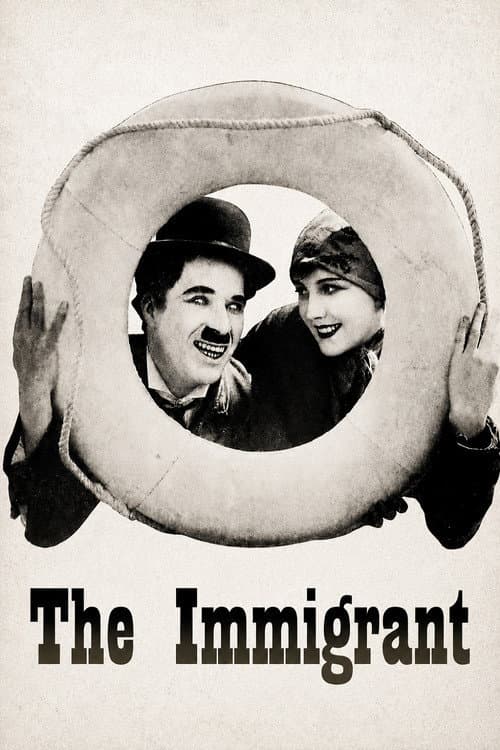
8The Immigrant (1917)
Dir. Charlie Chaplin · 24m · ★ 7.3
Twenty-odd minutes long, and a perfect introduction. The Tramp crosses the Atlantic on a ship that will not stop pitching, wins at cards, falls for a fellow passenger (Edna Purviance), and arrives in America — where, broke, he finds himself in a restaurant he cannot pay for, with a very large head waiter. It comes from Chaplin’s year at the Mutual company, which he later called the happiest period of his career.
Why it’s free: Released in 1917. Films from before 1923 lost their U.S. copyright long ago.
Watch The Immigrant free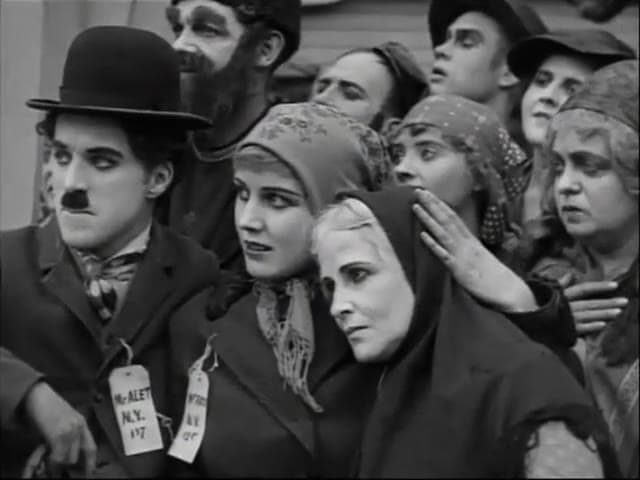
Harold Lloyd
Lloyd is the least remembered of the three today, but in the 1920s he was the most commercially successful. His “Glasses Character” was no tramp but an ordinary, eager young man trying to get ahead, which made him easy for audiences to identify with. His reputation faded partly because he kept tight control of his films and rarely let them be shown on television. He did much of his own climbing, too — despite having lost the thumb and forefinger of his right hand to a prop bomb in 1919, a glove hid the injury on screen.
9Safety Last! (1923)
Dir. Fred C. Newmeyer · 1h 14m · ★ 7.7
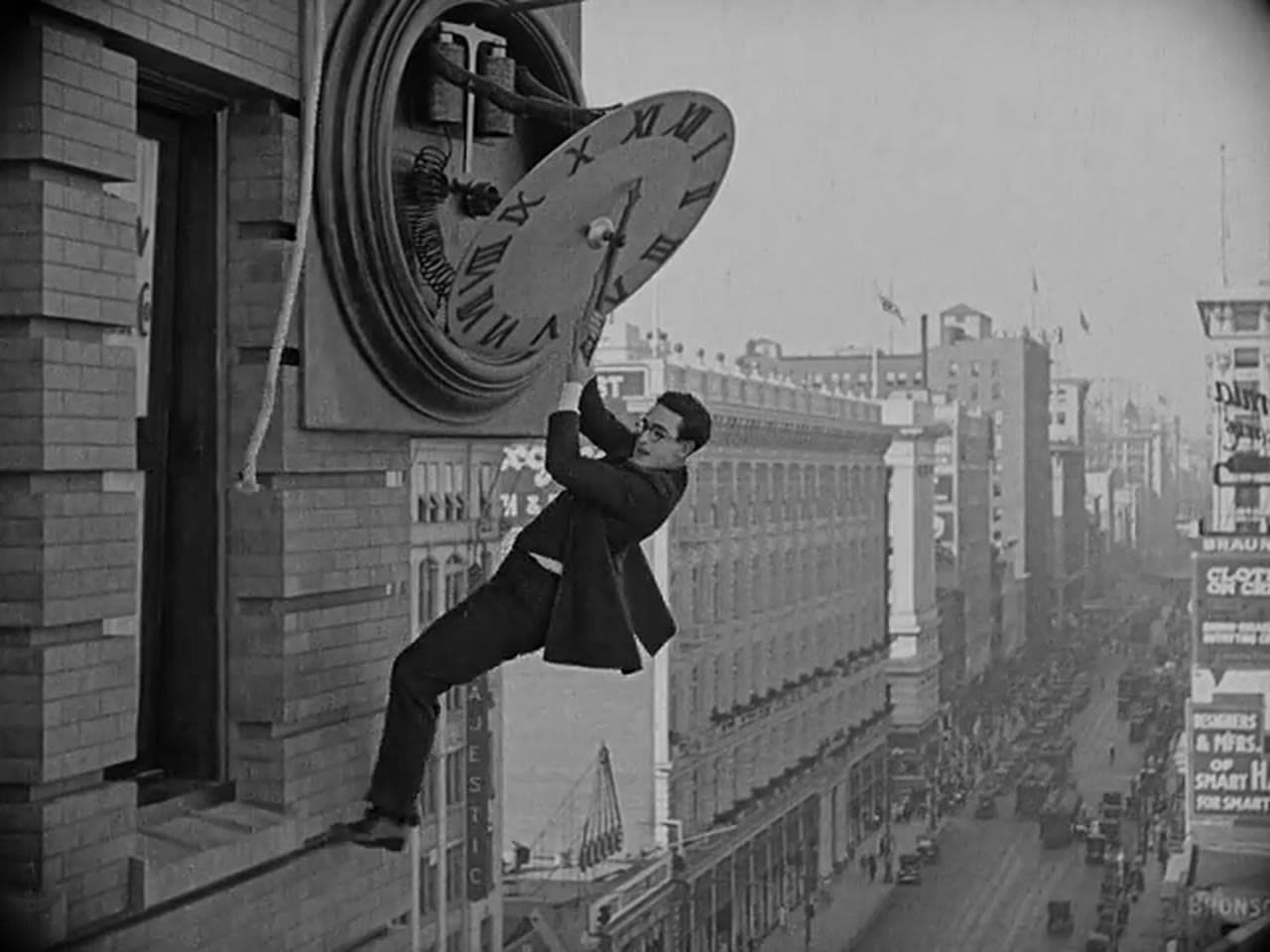
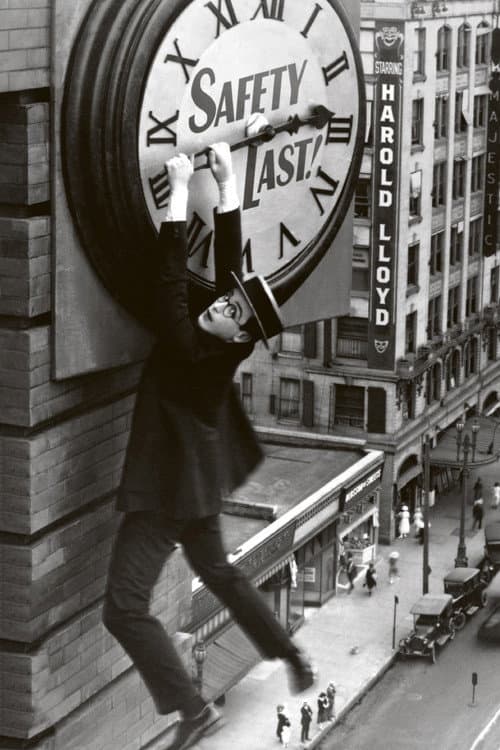
A young man who has told his girlfriend he is a big success in the city — he is actually a lowly department-store clerk — dreams up a publicity stunt: a climb up the outside of the store’s building. When the friend he has lined up to make the climb is chased off by a policeman, Harold has to do it himself, one floor at a time. The climb was filmed on real rooftops in downtown Los Angeles, with the camera placed so the street appears far below, and the image of Lloyd hanging from the hands of a clock is one of the most famous in all of cinema.
Why it’s free: Released in 1923; it entered the U.S. public domain on January 1, 2019.
Watch Safety Last! free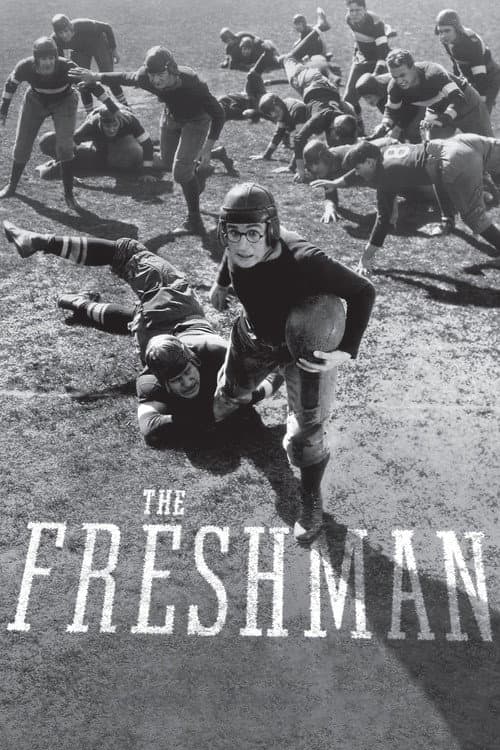
10The Freshman (1925)
Dir. Fred C. Newmeyer · 1h 17m · ★ 7.0
Harold arrives at college determined to be the most popular man on campus, and does everything wrong: his classmates are laughing at him, not with him. His one chance at redemption is the big football game, as the water boy who finally gets sent onto the field. It was one of the biggest hits of the silent era, and it is the most purely sweet-natured film on this list.
Why it’s free: Released in 1925; it entered the U.S. public domain on January 1, 2021.
Watch The Freshman free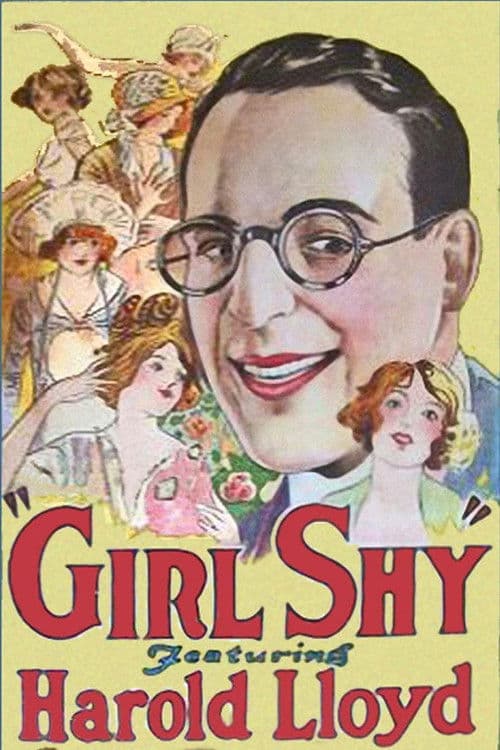
11Girl Shy (1924)
Dir. Sam Taylor · 1h 17m · ★ 6.9
A tailor’s apprentice who stammers in front of women writes a book of advice on how to seduce them — and then falls for a real girl who is about to marry the wrong man. The finale, a frantic race across Los Angeles by car, streetcar, horse and anything else he can grab to stop the wedding, is a model of how to build a chase.
Why it’s free: Released in 1924; it entered the U.S. public domain on January 1, 2020.
Watch Girl Shy free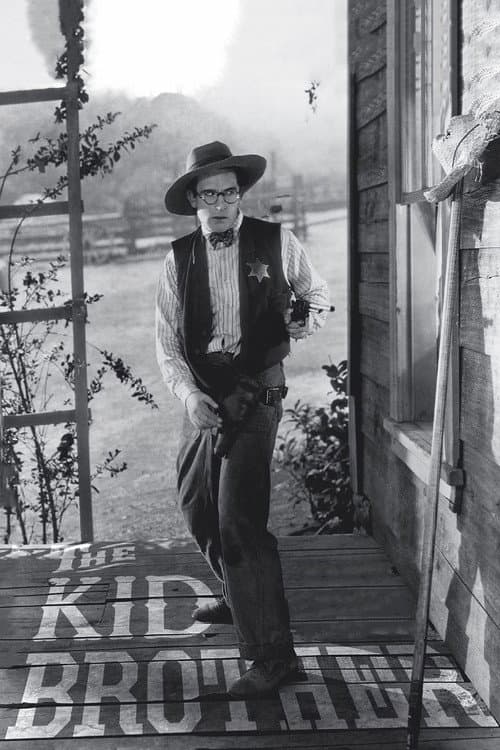
12The Kid Brother (1927)
Dir. Ted Wilde · 1h 22m · ★ 6.9
The timid youngest son of a tough rural sheriff, left to do the housework while his big brothers do the manly jobs, has to prove himself when the town’s money goes missing. It is Lloyd at his most lyrical — the courtship scenes with Jobyna Ralston, his leading lady in several films, are lovely — and many critics rank it alongside Safety Last! as his best.
Why it’s free: Released in 1927; it entered the U.S. public domain on January 1, 2023.
Watch The Kid Brother freeA note on the music
None of these films had a soundtrack when they were released. Cinemas supplied the music themselves, anything from a lone pianist to a full orchestra, so every score you hear today was added later — and different copies of the same film can sound completely different.
Where to go next
There are hundreds more in the silent era collection, and the Wikimedia Commons shelf holds sharp copies of Keaton’s The Navigator and more. Our list of the best public domain movies ranges across every genre, and if you want to know how any of this works, start with our guide to public domain movies.
Frequently asked questions
Are Charlie Chaplin's movies in the public domain?
In the United States, everything Chaplin released up to and including 1930 is in the public domain, including The Kid (1921), The Gold Rush (1925) and The Circus (1928). City Lights (1931) follows on January 1, 2027. His later films, and re-released versions with scores he added afterwards, remain in copyright.
Are Buster Keaton's movies free to watch?
Yes. All of Keaton's silent features, up to and including his last, Spite Marriage (1929), are in the U.S. public domain, along with his earlier shorts. The General, Sherlock Jr., Our Hospitality, Seven Chances and Steamboat Bill, Jr. all stream free on Nitrate.
Where can I watch Harold Lloyd movies for free?
Safety Last!, The Freshman, Girl Shy and The Kid Brother all stream free and in full on Nitrate. Lloyd's features of the 1920s are in the U.S. public domain.
Why does the same silent film have different music in different copies?
Silent films were released without a recorded soundtrack; cinemas supplied live music. Every score you hear today was added later, and a newly composed or recorded score can be copyrighted in its own right even when the film itself is public domain.

