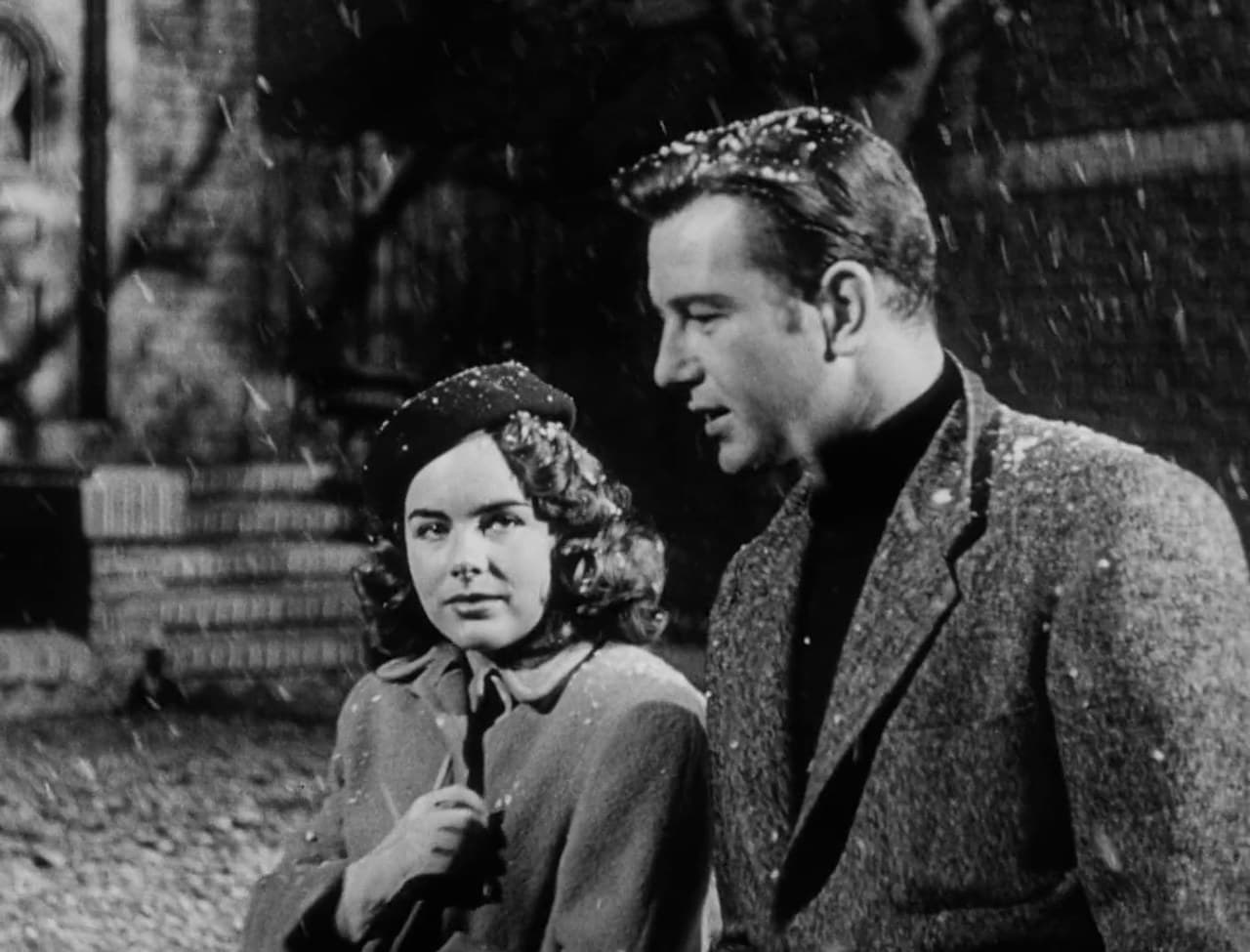
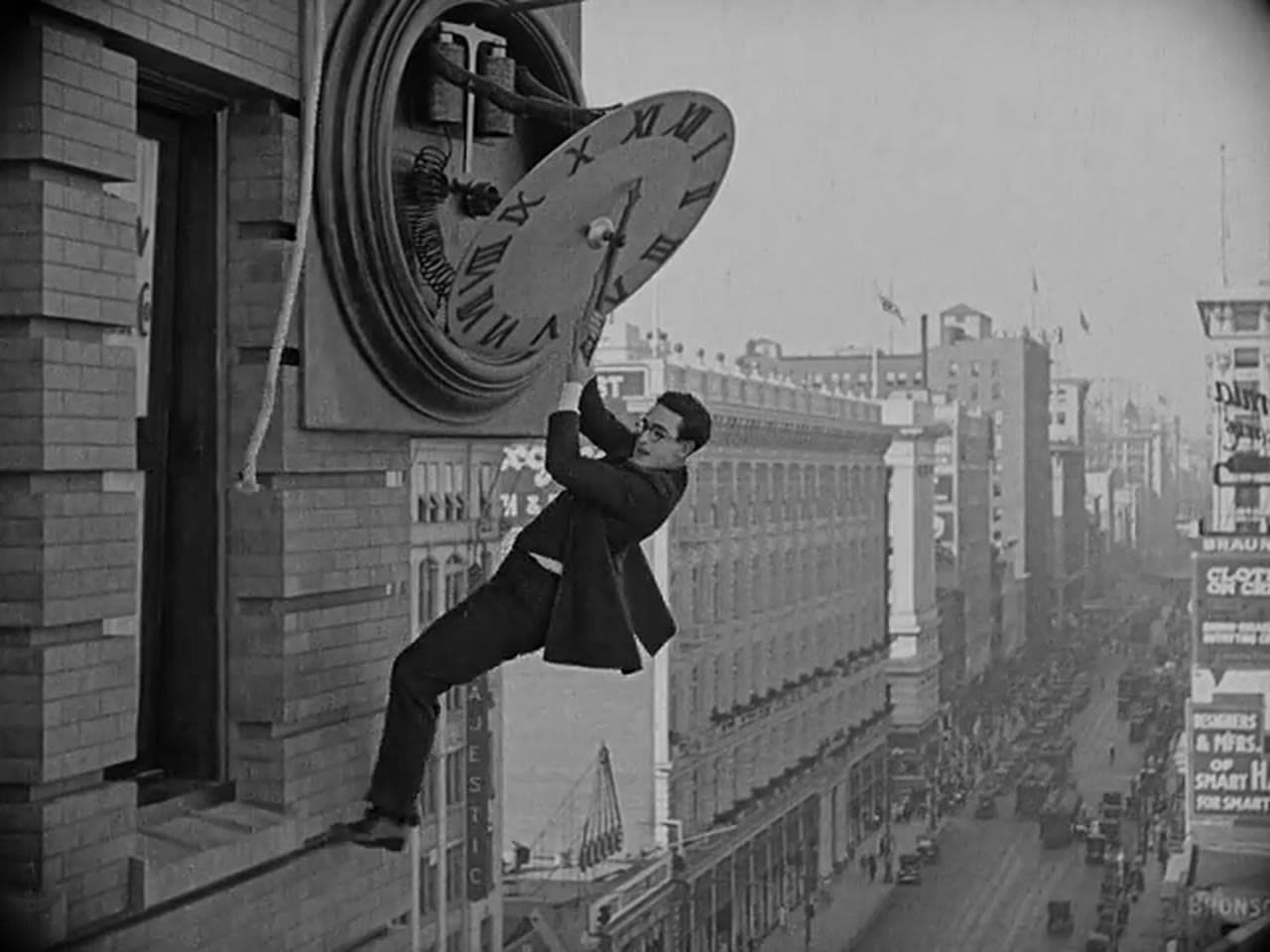
Film noir
12 Film Noir Classics You Can Watch Free — and Why They’re Public Domain
Wet streets, bad decisions and worse luck. A dozen essential noirs that belong to everyone now — and the paperwork accident that freed so many of them.

Film noir was never a genre anyone set out to make. Nobody in 1940s Hollywood called their crime picture a “noir”. The name came afterwards, from critics looking back at a run of American films that shared a mood — shadowed, fatalistic, sexually charged, convinced that the system was rigged and that the hero would lose anyway.
By an accident of copyright law, a remarkable number of the best of them are now in the public domain. Here are twelve you can stream free tonight, with the reason each one is free where it is on record.
What makes a film noir
When American films held back by the war finally reached Paris in 1946, French critics noticed how many of them were dark in every sense, and borrowed the name of a French crime-novel imprint to describe them. The critic Nino Frank is usually credited with first using the phrase. The classic period runs from the early 1940s to the late 1950s, and the recognisable ingredients are these:
- Hard, low-key lighting — faces half in shadow, the bars of venetian blinds across a wall. Many of noir’s best directors and cameramen had come from Germany, bringing the Expressionist look with them.
- Hardboiled source material — the crime fiction of Dashiell Hammett, Raymond Chandler, James M. Cain and Cornell Woolrich.
- Flashbacks and voiceover — often a man explaining, too late, how he ended up where he is.
- A world without safety — institutions that fail, lovers who betray, and a fate that seems to take a personal interest in ruining ordinary people.

Why so much noir is free
The answer is paperwork. Until 1992, a U.S. film copyright came in two parts: 28 years of protection, then a renewal that the owner had to file for during the 28th year. For a film released in 1948, that meant filing in 1976. Miss the window and the film fell into the public domain for good.
The major studios had legal departments that renewed everything. But a great deal of noir was made on the margins — by poverty-row outfits such as PRC, by short-lived independents distributing through United Artists, by producers who made one or two pictures and moved on. By the mid-1970s, many of those companies had folded, been absorbed or simply lost track of what they owned. Nobody was left to file the form.
The twelve films
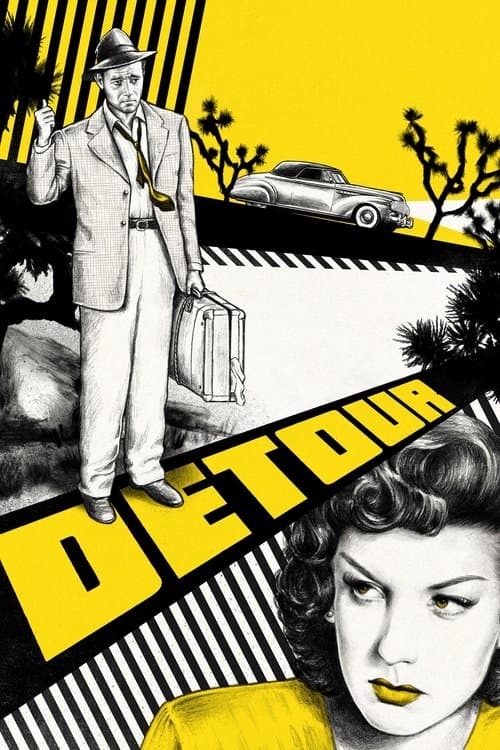
1Detour (1945)
Dir. Edgar G. Ulmer · 1h 8m · ★ 7.2
A nightclub pianist hitchhikes across America to reach his girlfriend, and every decision he makes on the way digs the hole deeper. Edgar G. Ulmer shot it for the bottom-rung studio PRC in about a week, and the poverty shows — which only makes its nightmare logic feel more real. Ann Savage, as the passenger who realises exactly what she has on him, gives one of the most vicious performances in American film.
Why it’s free: Its copyright was not renewed. The Academy Film Archive restored it in 2018.
Watch Detour free

2D.O.A. (1950)
Dir. Rupolph Mate · 994h 12m
It opens with one of the great hooks in movies: a man walks into a police station to report a murder — his own. Edmond O’Brien has been given a slow-acting poison and has about a day left to find out who did it and why. Directed by the former cinematographer Rudolph Maté, it moves at a sprint and makes superb use of real San Francisco and Los Angeles locations.
Why it’s free: A filing error meant its copyright was not renewed on time.
Watch D.O.A. free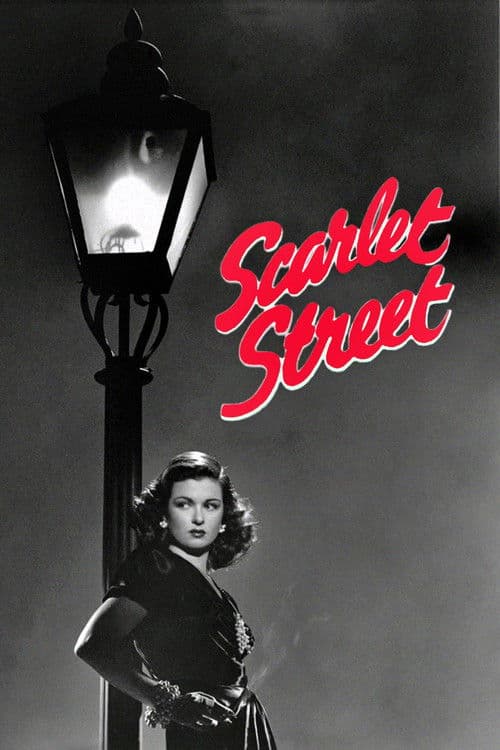
3Scarlet Street (1945)
Dir. Fritz Lang · 1h 41m · ★ 7.6
Fritz Lang reunited Edward G. Robinson, Joan Bennett and Dan Duryea from his previous noir, The Woman in the Window, and pushed the story much further. Robinson’s lonely cashier and amateur painter is conned by Bennett and her pimp boyfriend in ways that grow crueller with every scene. It was cut or banned by several local censorship boards, and remains shockingly unforgiving.
Why it’s free: Its copyright registration lapsed without renewal in the early 1970s.
Watch Scarlet Street free
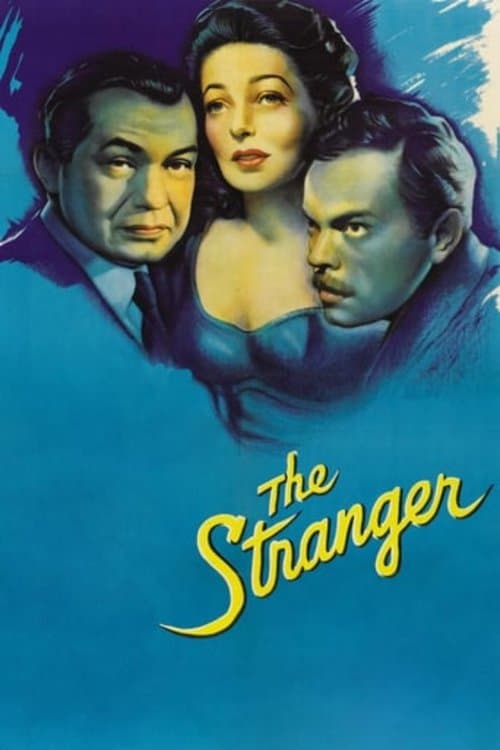
4The Stranger (1946)
Dir. Orson Welles · 1h 31m · ★ 7.2
A war-crimes investigator tracks a fugitive Nazi architect of the Holocaust to a quiet New England town, where he is living as a respected teacher and has just married the judge’s daughter. Orson Welles directs and plays the fugitive; Edward G. Robinson is the man hunting him. The climax in a clock tower is pure Welles.
Why it’s free: Its producers did not renew the copyright in 1973.
Watch The Stranger free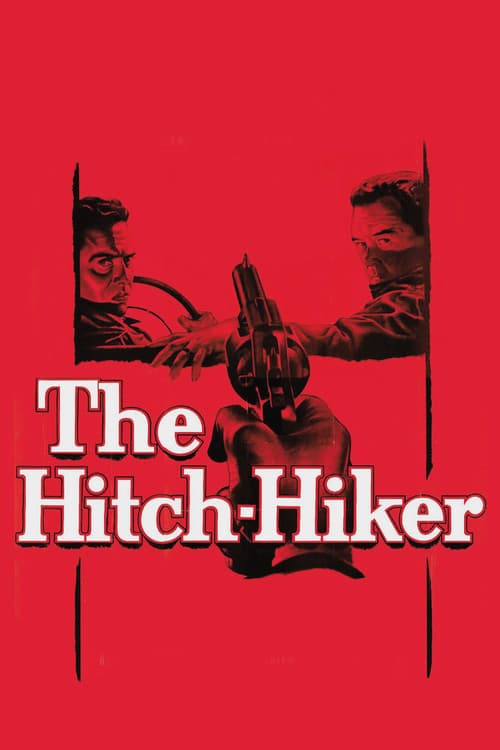
5The Hitch-Hiker (1953)
Dir. Ida Lupino · 1h 11m · ★ 6.8
Two friends on a fishing trip pick up a hitchhiker who turns out to be a killer, and are forced to drive him across the Mexican desert. Ida Lupino directed and co-wrote it — making it the first major American noir directed by a woman — and she drew on a real killing spree from a few years earlier. Lean, sun-bleached and relentlessly tense, it is on the National Film Registry.

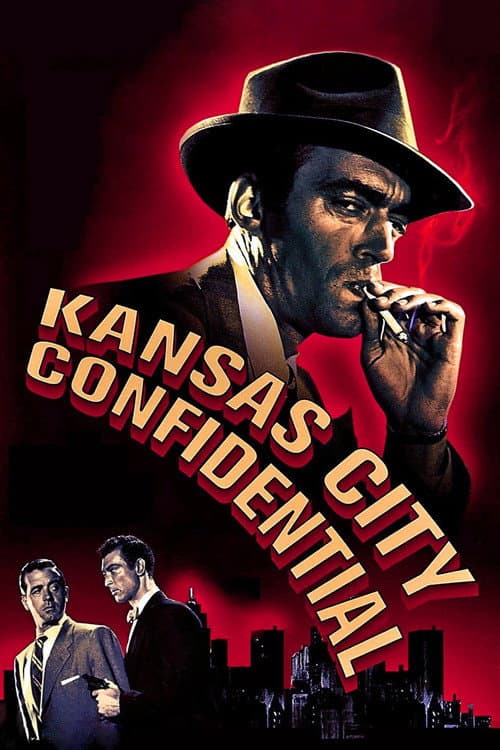
6Kansas City Confidential (1952)
Dir. Phil Karlson · 1h 39m · ★ 7.0
A disgraced ex-cop recruits three criminals who never see each other’s faces to rob an armoured car, and a delivery driver takes the fall. When the driver is released, he heads to Mexico to find the real crew. Phil Karlson directs with real brutality, and the gang — Lee Van Cleef, Jack Elam, Neville Brand — is a casting director’s dream.
Why it’s free: Its copyright was not renewed in its 28th year, so it entered the public domain in 1980.
Watch Kansas City Confidential free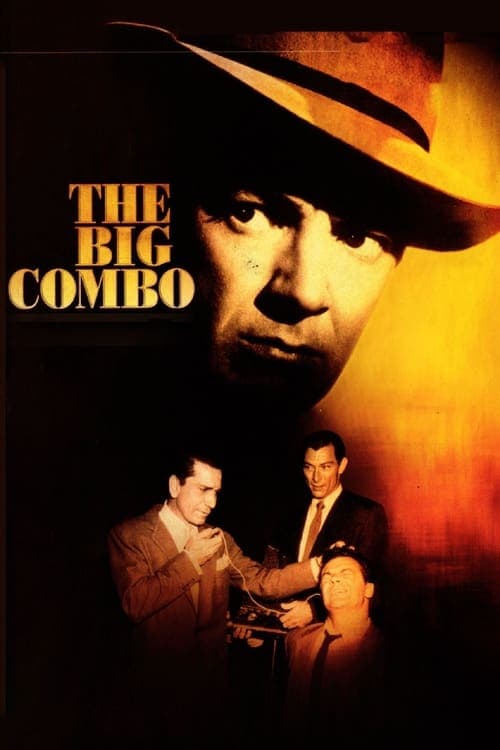
7The Big Combo (1955)
Dir. Joseph H. Lewis · 1h 27m · ★ 7.0
A police lieutenant obsessed with a mob boss — and with the boss’s unhappy girlfriend — tries to bring down a criminal empire that has bought everyone around him. The story is solid; the photography is legendary. Cinematographer John Alton lit whole scenes with a single source, and some shots are closer to abstract art than to a studio picture.
Why it’s free: A filing error left its copyright notice invalid; the Copyright Office formally rejected it in 2007.
Watch The Big Combo free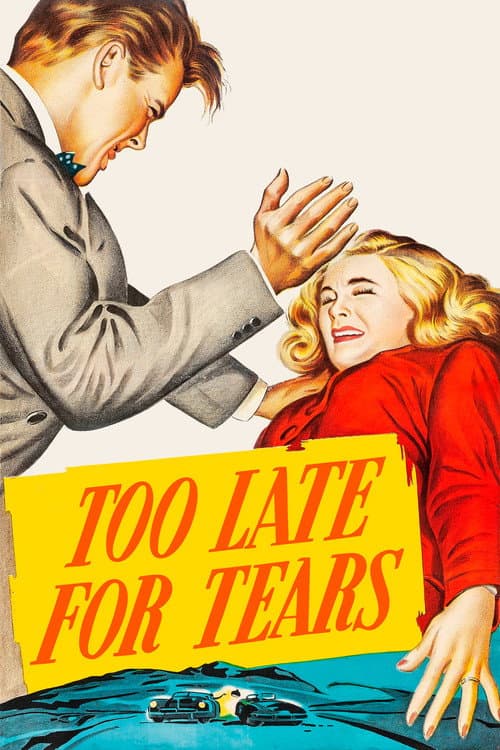
8Too Late for Tears (1949)
Dir. Byron Haskin · 2h 59m · ★ 6.8
A bag of cash lands in a couple’s car on a dark road outside Los Angeles, meant for someone else. He wants to hand it in; she absolutely does not. Lizabeth Scott’s slow transformation from bored housewife to something much more dangerous is one of the great femme fatale performances, and Dan Duryea is marvellous as the crook who finds he is out of his depth.
Why it’s free: Long in the public domain. A 2015 restoration by the UCLA Film & Television Archive and the Film Noir Foundation revived its reputation.
Watch Too Late for Tears free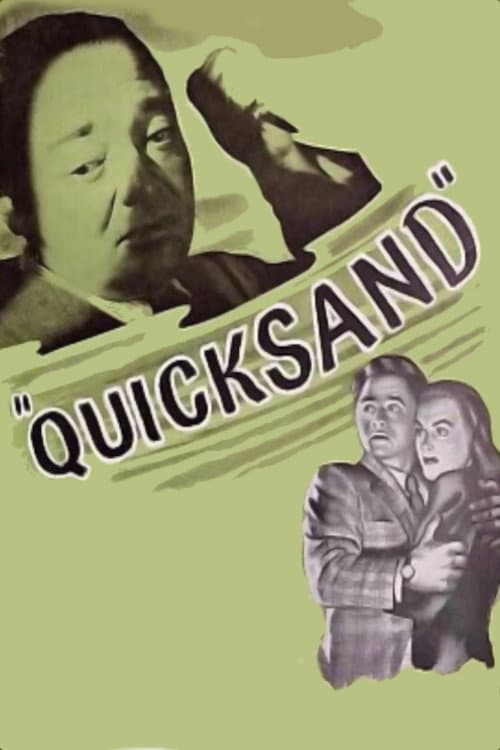
9Quicksand (1950)
Dir. Irving Pichel · 1h 19m · ★ 6.1
A garage mechanic “borrows” twenty dollars from the till to impress a girl, fully intending to put it back. Every attempt to cover the gap makes things worse, until the twenty dollars has become something no one could pay back. Mickey Rooney, cast against type, is excellent, and Peter Lorre is a treat as a sleazy arcade owner.
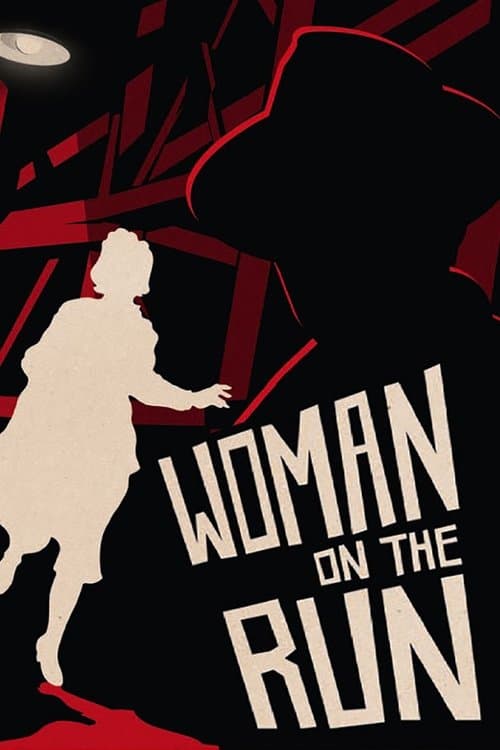
10Woman on the Run (1950)
Dir. Norman Foster · 1h 17m · ★ 6.8
A man witnesses a gangland killing and vanishes rather than testify. His estranged wife, played with wonderful dry wit by Ann Sheridan, sets out across San Francisco to find him before the killer does — and slowly discovers how little she knew about him. The city locations are superb, and the climax on a seaside rollercoaster is unforgettable.
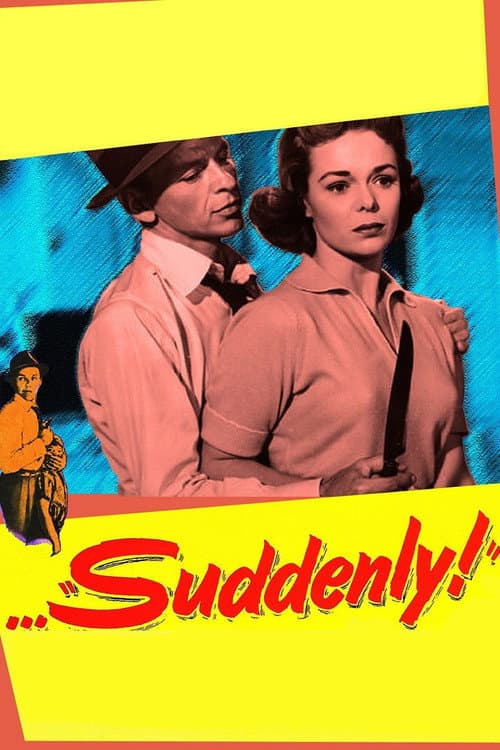
11Suddenly (1954)
Dir. Lewis Allen · 1h 16m · ★ 6.4
Three hired killers take over a family’s house in a quiet California town because it overlooks the railway station where the President’s train will stop. Frank Sinatra, as the gunman in charge, is genuinely chilling — a reminder of how good a dramatic actor he could be. It runs well under eighty minutes and barely leaves the living room.
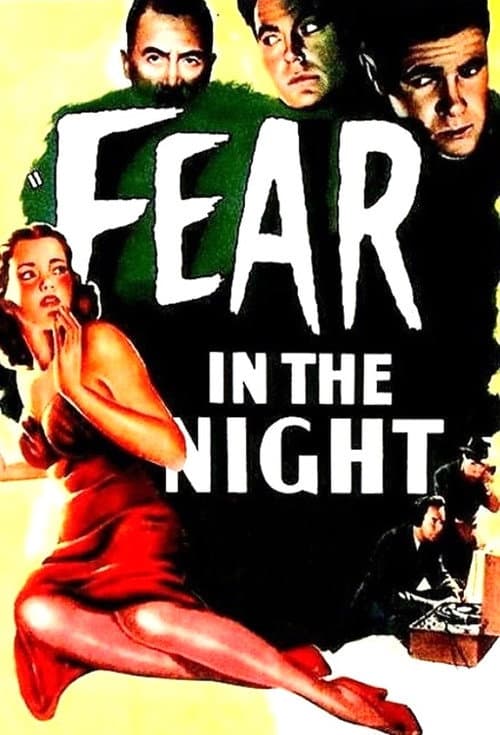
12Fear in the Night (1947)
Dir. Maxwell Shane · 1h 11m · ★ 5.5
A bank clerk wakes from a nightmare in which he killed a man in a mirrored room — and finds a button and a key in his pocket that he cannot explain. Adapted from a Cornell Woolrich story, it is a paranoid little puzzle that turns memory itself into the enemy. It also gave a young DeForest Kelley, later Dr. McCoy in Star Trek, his first leading role.
Where to go next
There is much more where these came from. Browse every free film noir in the collection, or narrow it down to the 1940s and the 1950s.
If the German roots of noir interest you, the Expressionist films that inspired it are in our guide to free classic horror, and our full list of the best public domain movies has more crime, comedy and silent cinema besides.
Frequently asked questions
Where can I watch film noir for free?
Every film on this list streams free and in full on Nitrate, sourced from the Internet Archive's Film Noir and Feature Films collections. They are in the U.S. public domain.
Why are so many film noirs in the public domain?
Until 1992, films published before 1964 needed their copyright renewed in its 28th year. Many noirs were made cheaply by small studios and independent producers that had closed or lost track of their rights by the time renewal came due in the 1970s and early 1980s, so the films lapsed into the public domain.
What is the best public domain film noir?
Detour (1945) is the usual answer — it is on the National Film Registry — but D.O.A. (1950), Scarlet Street (1945) and The Big Combo (1955) all have strong claims.
Who coined the term film noir?
French critics, in 1946, when a backlog of American crime films reached Paris after the war. The critic Nino Frank is usually credited with first applying the phrase to them.